Separate volume from weight
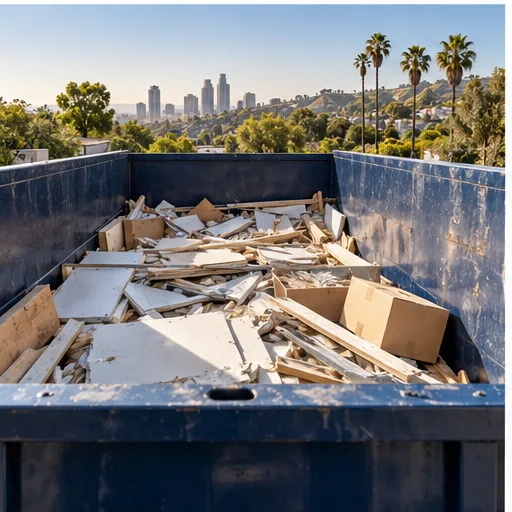
Framing, drywall, wood fixtures, packaging, and other bulky demolition material may suit a 40 yard container. Concrete, soil, brick, block, asphalt, plaster, and tile are dense enough to require a smaller heavy-material plan.
- Inventory materials before demolition starts
- Keep heavy mineral debris in a separate pile
- Remove liquids, batteries, paint, and other restricted items
- Load evenly and stop at the marked fill line
Control the work zone
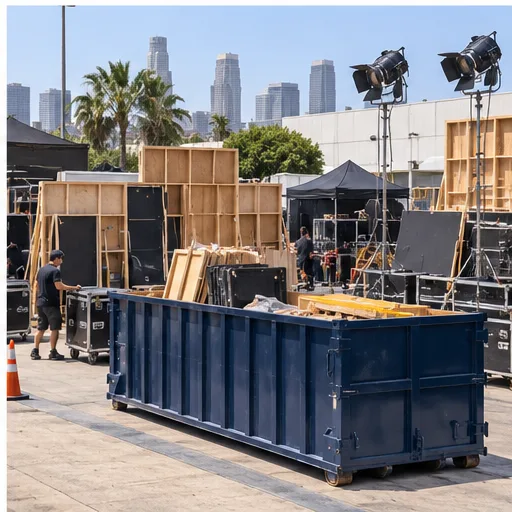
Plan a debris path that does not cross exits or public circulation. Keep workers clear when the truck is placing or retrieving the container, and maintain the approach throughout the rental.
Material drives the plan
Describe the actual debris, estimated volume, project address, rental period, and whether swaps are likely. The provider should confirm accepted materials and weight terms in writing.
Demolition questions
Concrete can exceed safe transport weight at a fraction of the container’s volume. A low-profile heavy-material bin is usually the appropriate conversation.
Requirements vary. Los Angeles construction and demolition rules also affect hauling and processing. Confirm the project address and material mix.